Why Are Vintage Soccer Jerseys So Popular Worldwide?

Time:2026-09-19 Author:Amelia
0%

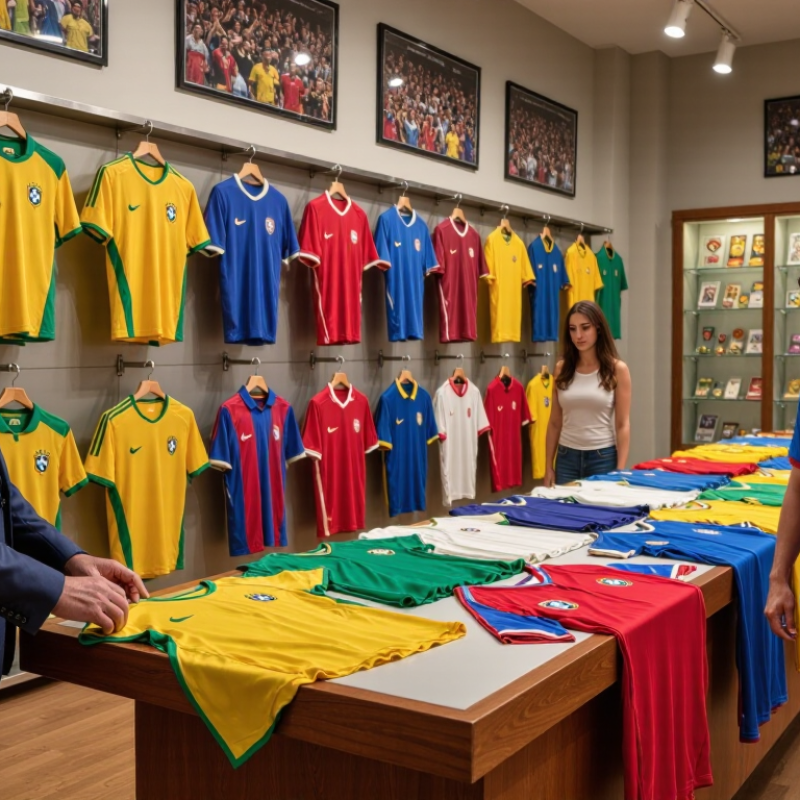
Why are Vintage Soccer Jerseys so popular worldwide? The answer begins with memory, identity, and increasingly sophisticated fan culture. A faded 1994 Brazil shirt can recall a winning goal, a summer tournament, or a childhood bedroom. The fabric becomes personal evidence. It is not merely clothing.

Industry data supports this cultural shift, although vintage-specific figures remain fragmented. Deloitte’s Annual Review of Football Finance reported that European football generated €35.3 billion in revenue during the 2022/23 season. That expanding ecosystem increases the visibility of clubs, players, designs, and historical moments. Grand View Research also valued the global sports apparel market at more than $200 billion in 2023. Vintage jerseys occupy only a small niche, but they benefit from this wider commercial attention. Online resale platforms, specialist stores, and social media collectors have made older shirts easier to discover and authenticate.

Neil Heard, author of The Football Shirt Book and a recognised football-shirt historian, describes the emotional appeal clearly: “Every shirt tells a story.” That idea explains why supporters examine stitching, sponsor fonts, collar shapes, and match-era details. Each detail can reveal a season’s identity. Collectors also value scarcity, originality, and condition. Yet popularity does not always equal authenticity. Reproductions can look convincing, while price guides may disagree. That uncertainty deserves more attention. The strongest Vintage Soccer Jerseys market will depend on transparent provenance, expert verification, and responsible buying. Nostalgia opens the door, but trust keeps collectors inside.

Why Are Vintage Soccer Jerseys So Popular Worldwide?

What Defines a Vintage Soccer Jersey?

Why Are Vintage Soccer Jerseys So Popular Worldwide?

What Defines a Vintage Soccer Jersey?

A vintage soccer jersey is more than an old shirt. Collectors usually look for age, historical meaning, original design, and genuine construction. Many consider garments over 20 years old vintage, but this boundary is not universal. A 1990s shirt may qualify because of its period-specific collar, stitched badge, loose fit, or heavier fabric. Modern replicas can look similar. Details matter.

Professional resale data helps explain the wider appeal. ThredUp’s 2024 Resale Report projects the global secondhand apparel market will reach 350 billion dollars by 2028. Vintage jerseys fit this movement because they combine clothing with memory. Deloitte’s Annual Review of Football Finance reported that European football generated 35.3 billion euros in 2022/23. That commercial scale creates more historic moments, but popularity can also blur authenticity. I sometimes see sellers call a recent imitation “vintage.” That description deserves doubt.

Tips: Check the inner labels, stitching, fabric weight, printing texture, and size measurements. Compare photographs from the correct season. Look for fading that appears natural, not artificially uneven. Provenance helps, though it is rarely perfect. A repaired hem does not automatically reduce value; honest wear can reveal real use. Yet collectors should question their own bias. Nostalgia may make an ordinary jersey feel priceless.

The Historical Development of Classic Soccer Shirt Designs

Vintage soccer jerseys remain popular because their designs record how the sport changed across generations. Early shirts were practical, heavy, and often made from wool or thick cotton. Their loose cuts helped movement, but comfort was limited. The timeline is not perfectly tidy. Different countries adopted colors, collars, and badges at different speeds.

By the 1930s, numbered shirts made players easier to identify from distant stands. Later, buttoned collars and stitched emblems gave shirts a formal appearance. After the 1950s, lighter fabrics improved performance and changed the silhouette. Cotton gradually gave way to synthetic materials. This shift allowed brighter colors, sharper stripes, and more experimental patterns during the 1970s and 1980s.

The details still matter. A faded collar, uneven stitching, or old laundry label can reveal a shirt’s age. Collectors compare fabric weight, sleeve shape, numbering style, and construction methods before judging authenticity. That practice requires patience, because restored shirts can look convincing. Some enthusiasts also remember wearing similar shirts on concrete pitches, where grass stains never fully disappeared. That memory adds emotional value, even when the original design was not technically elegant. In my view, vintage jerseys attract global audiences because they connect design history with ordinary match-day experience. Yet nostalgia can distort the past. Older shirts were not always better made, and some were uncomfortable after ninety minutes. Their appeal often comes from visible history, not perfect craftsmanship.

Why Are Vintage Soccer Jerseys So Popular Worldwide? - The Historical Development of Classic Soccer Shirt Designs

Period Historical Development Typical Design Features Historical Significance Why the Style Remains Popular
1860s–1890s Organized association football developed in Britain after the formation of standardized laws in 1863. Early playing shirts were commonly made from heavy knitted wool. Long sleeves, high necklines, thick fabric, vertical stripes, solid colors, and lace or button openings. Team clothing began to function as a clear visual identifier as clubs and regional competitions became more organized. The heavy knit appearance communicates the sport’s origins and has a strong heritage and period-authentic character.
1900s–1920s Football expanded internationally, including its inclusion in the modern Olympic program and the establishment of an international governing body in 1904. Wool remained common; shirts generally had simple panels or stripes, modest collars, and practical loose fits. National and cross-border competition helped establish recognizable football identities beyond local communities. The understated construction is associated with traditional craftsmanship and the early international era of the sport.
1930s–1940s The first World Cup was held in 1930, while football clothing gradually adopted more structured tailoring and easier fastening systems. Fold-down collars, button plackets, reinforced cuffs, contrasting collars, and clearly defined chest panels. International tournaments gave shirt colors and patterns greater symbolic importance. The classic collar and restrained detailing create a timeless appearance that works both as sportswear and casual clothing.
1950s Post-war football became increasingly visible through international tournaments and television, encouraging cleaner and lighter garment construction. Short sleeves became more common, while simple crew necks, collars, stripes, and solid-color bodies remained dominant. The decade connected traditional woolen football clothing with the more modern visual language of televised sport. Mid-century designs are valued for their clean proportions, limited decoration, and connection with historic tournament imagery.
1960s Synthetic fibers began to appear more widely, offering lighter weight, faster drying, and easier maintenance than traditional wool. Lightweight knitted fabrics, V-necks, sharper color blocking, and more athletic silhouettes. Shirt design started to reflect advances in textile technology as well as the faster pace of modern football. Collectors and fans appreciate the transitional look, which combines traditional shapes with the beginning of modern performance wear.
1970s Color television expanded football’s visual reach, making bold team colors and strong graphic contrasts more noticeable to worldwide audiences. Wide stripes, geometric panels, pronounced V-necks, ribbed trims, and brighter color combinations. Shirts became an important part of the spectacle of televised football and were easier for viewers to recognize. The bold visual language is highly distinctive, photogenic, and closely associated with memorable international football moments.
1980s Polyester and other synthetic materials became standard in many competitive kits, improving durability and reducing water absorption. Glossy fabrics, oversized cuts, graphic patterns, contrast piping, elaborate collars, and stronger color combinations. Football shirts moved decisively from basic uniforms toward mass-media fashion and supporter culture. The expressive designs evoke a recognizable decade and appeal to people interested in retro fashion, music, and popular culture.
1990s Global broadcasting, commercial competition, and the growth of international club tournaments increased the cultural visibility of football shirts. Loose silhouettes, large graphic shapes, asymmetrical panels, bold necklines, and highly visible decorative elements. The shirt became both a match garment and a widely worn symbol of affiliation and personal style. Nostalgia for the decade, distinctive graphics, and the relaxed fit make 1990s designs especially attractive in contemporary streetwear.
2000s–2010s Technical fabrics, engineered ventilation, body-mapped construction, and increasingly standardized performance features became common. Closer fits, lightweight mesh areas, heat-applied details, simplified seams, and digitally developed patterns. The contrast between contemporary technical shirts and earlier designs made historical styles easier to identify and collect. Vintage shirts offer visual character and material nostalgia that many streamlined modern designs do not provide.
Today Retro-inspired shirts are reproduced, reinterpreted, and worn globally through football culture, fashion, collecting, and online communities. Classic collars, old-style stripes, heritage color palettes, relaxed fits, embroidered-looking details, and simplified period graphics. Vintage design has become a way to connect present-day fans with sporting history, regional identity, and remembered football moments. Popularity is driven by nostalgia, recognizable design, cultural storytelling, collectability, versatility, and the desire for clothing with a visible historical connection.
Overall pattern: Classic soccer shirts remain popular because each design period records changes in materials, media, competition, fashion, and supporter identity. Their historical references make them recognizable cultural objects as well as functional sports garments.

How Jerseys Preserve Club and National Football Identity

Vintage soccer jerseys remain popular because they carry identity, not merely old colors. A worn shirt can recall a club’s neighborhood, a national team’s difficult campaign, or a family ritual. The evidence is often physical. Faded fabric, repaired seams, stitched badges, and broad collars show how supporters actually lived with football. These details make history feel touchable.

For clubs, jerseys connect generations. A parent may explain why a certain pattern appeared during a promotion, rebuilding period, or memorable final. The shirt becomes a small archive, carrying local language, stadium traditions, and shared disappointment. For national teams, colors and symbols can express belonging across regions and generations. They may appear at reunions, public celebrations, or quiet family gatherings far from the original stadium.

Collectors and historians should still examine such stories carefully. Not every vintage shirt is authentic, and memories can exaggerate its importance. I sometimes romanticize faded fabric because it feels more honest than modern sportswear. That feeling is subjective. Memory is selective. Yet comparing labels, stitching, materials, and historical photographs can support a more reliable judgment. Authenticity also includes context: who wore it, where it travelled, and why it survived. A jersey kept in a drawer may preserve one supporter’s identity; a jersey worn in public can make that identity visible again.

Why Vintage Shirts Became Global Fashion and Fan Symbols

Vintage soccer jerseys became more than match clothing. They now carry memories across borders, languages, and generations. A faded number can recall a dramatic final, a childhood hero, or a stadium shared with friends. That emotional value helps explain their fashion appeal.

The market supports this shift. ThredUp’s 2024 Resale Report projects the global secondhand apparel market will reach 350 billion dollars by 2028. McKinsey and The Business of Fashion also identify resale as one of fashion’s fastest-growing segments. Vintage shirts fit naturally into this movement. They offer visible history, limited availability, and a less polished appearance. That imperfect look matters. It feels personal, although collectors sometimes romanticize the past too much. In my experience, small details create the strongest connection: cracked lettering, softened fabric, or an old tournament patch.

Tips: Check stitching, fabric weight, labels, and measurements before buying. Compare several photographs. Ask about repairs and restoration. A genuine older shirt may show wear, but careless damage is different. Also, choose a design connected to your own story, not only current trends.

Fashion analysts often describe resale as a circular model, yet fans bring another layer: cultural exchange. A supporter in Seoul may wear a shirt linked to a club from South America or Europe. The garment becomes a conversation starter. It signals football knowledge, personal taste, and sometimes nostalgia for an era the wearer never experienced. That contradiction is part of the appeal.

Collecting, Authenticity, and the Modern Jersey Market

Vintage soccer jerseys have become more than old sportswear. For many collectors, each shirt preserves a match, a city, or a personal memory. I have found that the best pieces often show small signs of life: softened fabric, faded numbers, careful repairs, and sweat marks near the collar. These details can feel more convincing than perfect condition. Authenticity requires patience. Collectors should inspect stitching, fabric weight, neck labels, printing methods, and washing instructions. Older shirts may not have modern serial codes. Provenance also matters, especially when a seller claims match-worn history. Photographs, dated programs, and documented ownership can support that story, but they do not guarantee it.

The modern jersey market is faster and more uncertain. Online listings make rare designs visible worldwide, while limited releases can raise prices within hours. Reproductions may look excellent, even to experienced buyers. I once trusted a familiar-looking pattern and overlooked an incorrect collar shape. That mistake still influences how I examine shirts. Condition affects value, but personal meaning can matter more than resale estimates. A faded jersey from a local club may be financially modest yet emotionally irreplaceable. Serious collectors compare archival images, consult independent specialists, and record every purchase. They should also accept uncertainty. Authenticity is sometimes a reasoned conclusion, not absolute proof. Dress it, store it carefully, and keep questioning the story behind it.

Why Are Vintage Soccer Jerseys So Popular Worldwide?

Collectors value vintage soccer jerseys for their historical meaning, authentic designs, and connection to memorable international tournaments. Global tournament attendance also shows how widely football culture reaches, helping explain the strong interest in classic shirts.

The chart shows total attendance at FIFA World Cup finals from 1994 to 2022. Attendance figures are official tournament totals; the 1994 tournament had 52 matches, while later editions shown had 64 matches.

FAQS

Why do vintage soccer shirts remain popular?

They connect design history with personal match-day memories. A faded collar may recall a concrete pitch and long afternoons.

How did early soccer shirts differ from modern ones?

Early shirts used heavy wool or thick cotton. They were loose, practical, and often uncomfortable after ninety minutes.

When did numbered shirts become common?

Numbered shirts became more common during the 1930s. They helped spectators identify players from distant stands.

How did materials change after the 1950s?

Lighter fabrics improved movement and changed the shirt’s shape. Synthetic materials later supported brighter colors and sharper patterns.

Which details can help estimate a shirt’s age?

Collectors inspect fabric weight, sleeve shape, collar design, stitching, labels, and numbering style. No single detail proves everything.

How can buyers assess authenticity?

Compare the shirt with archival photographs and construction details. Check printing methods, washing instructions, and neck labels carefully.

Does documented ownership prove match-worn history?

No. Photographs, dated programs, and ownership records provide useful support, but they cannot guarantee the story.

Can a damaged shirt be more valuable emotionally?

Yes. Softened fabric, faded numbers, or careful repairs may preserve meaningful memories. Perfect condition is not always the goal.

Why is the modern jersey market difficult to judge?

Online listings spread rare designs quickly, while convincing reproductions can mislead experienced buyers. I once missed an incorrect collar shape.

How should collectors handle uncertainty?

Treat authenticity as a reasoned conclusion, not absolute proof. Record each purchase, seek independent opinions, and keep questioning the shirt’s history.

Conclusion

Vintage Soccer Jerseys are more than old sports shirts; they are wearable records of football history. Defined by their classic designs, traditional materials, distinctive collars, and connections to memorable teams or tournaments, these jerseys reflect how the game’s visual identity has changed over time. Their colors, patterns, and details often preserve the spirit of a club, a national side, or a particular football era, allowing supporters to express pride and nostalgia through clothing.

Their popularity has spread worldwide because vintage shirts combine sporting meaning with personal style. Fans wear them to celebrate legendary moments, family memories, and cultural identity, while fashion enthusiasts appreciate their timeless appearance and individuality. The modern market has also encouraged collecting, with buyers paying close attention to condition, age, design details, and authenticity. As a result, Vintage Soccer Jerseys have become valuable fan symbols and fashion pieces, linking the emotional history of football with the growing interest in carefully preserved, meaningful clothing.

Amelia

Amelia

Amelia is a seasoned marketing professional with a wealth of expertise in our company’s core offerings. With an unwavering passion for driving growth and innovation, she plays a pivotal role in shaping our marketing strategies and enhancing brand visibility. A key aspect of her responsibilities......